
Read altitude and exposure into the day
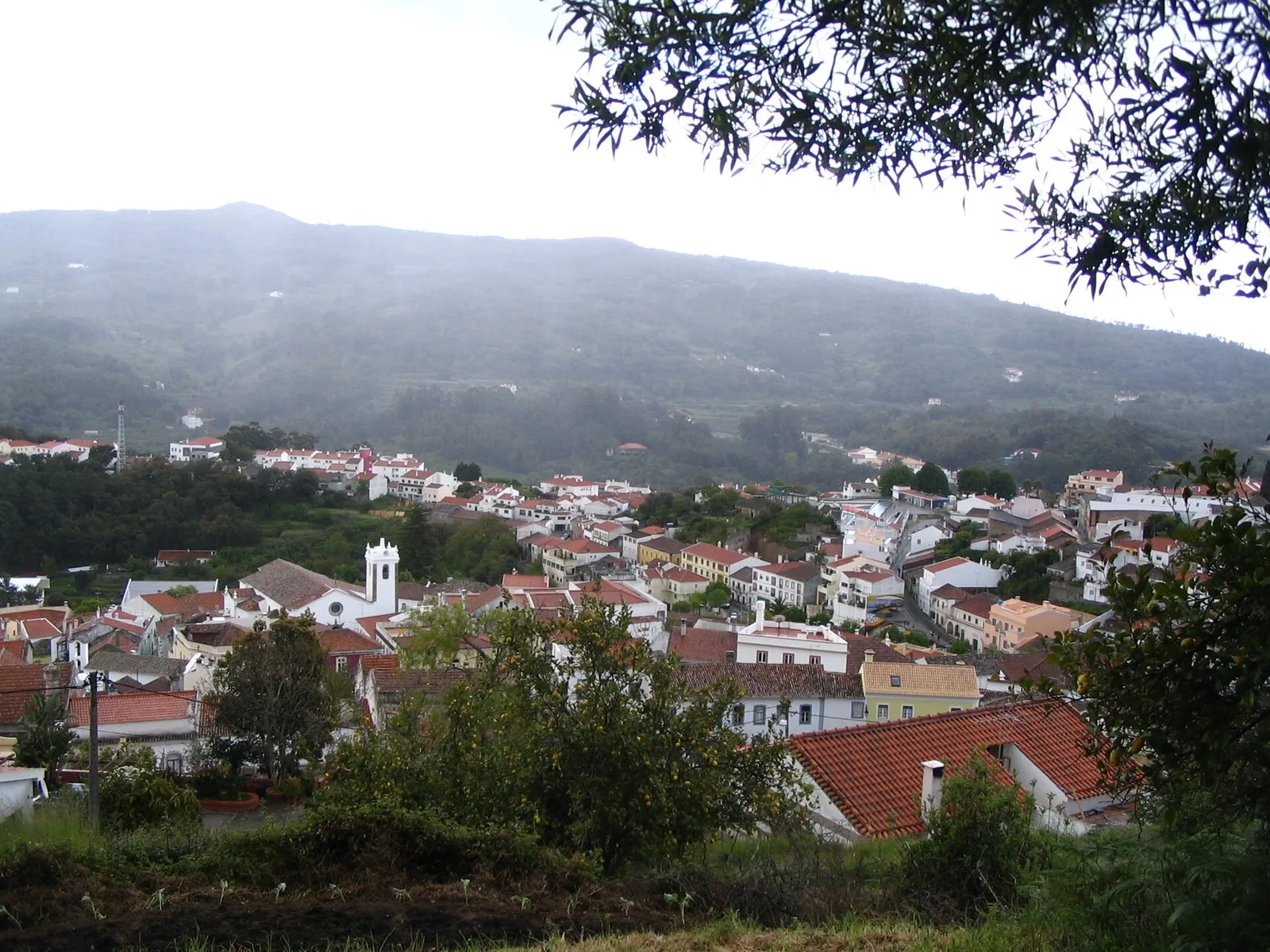
Town streets, the Caldas valley and Fóia offer different levels of exposure. Carry an extra layer for higher ground rather than assuming the clothing that felt comfortable on the coast will suit the whole outing. Visibility is especially important for a viewpoint visit. If cloud hides the distant outlook, the town and valley can still provide an enjoyable day without making a summit photograph the measure of success.
Spring and autumn for walking-focused visits
Spring and autumn are useful seasons to consider for a stay built around walking and the town. Make the choice around the routes you want and keep flexible days for the more exposed outings. Read rain and wind information alongside temperature and leave time for the return. A shorter established route followed by a meal can be a better day than an ambitious walk that becomes uncomfortable after a change in conditions.
Summer and winter need different accommodation choices
For a summer stay, look at shade, cooling and how you will avoid turning a long outdoor day into a struggle in the heat. In winter, indoor comfort, heating and drying space can matter more than a large terrace. Choose a base where a slower morning is pleasant rather than a disappointment. If travelling mainly for a spa appointment, make the accommodation and appointment work together without depending on a particular outdoor forecast.
Use local information for the actual outing
IPMA locality forecasts provide a starting point, while route access and conditions need to be judged for the specific mountain activity. A regional climate normal is background, not a promise for your dates. No numerical Monchique average is assumed here from a coastal station. Follow any restrictions and keep the day within the group’s ability. Town exploration or a shorter valley visit can preserve the inland experience when a higher route is unsuitable.