
Start with a recognised route
The reserve's published visitor information identifies routes including the traditional salt pans, Cerro do Bufo and Sapal de Venta Moinhos. They are different outings rather than interchangeable names for one town walk. Look at the chosen route map, its shape and access point before deciding how long to set aside.
Choose around your group's interests as well as distance. Someone mainly interested in birds may prefer time at a few observation points; someone wanting exercise may prefer a longer walking route. Do not turn a relaxed wildlife outing into a march simply to include every named path in the area.
Watch without crowding wildlife
Take binoculars if possible and allow quiet time rather than expecting animals to appear on demand. The appeal of the marsh is in watching its activity at a distance. A guide can help interpret what is visible and explain how water and salt production shape the landscape.
Keep to authorised routes, avoid approaching nests or flocks and do not enter a working salt pan for a photograph. If a bird moves away because of your approach, give it more room. Choose an observation spot where you can pause without blocking others or standing in the road.
Add some interpretation
A salt-themed visit offers a different perspective from an independent walk. The municipality's heritage options include traditional salt production, giving you a way to connect landscape with local work. Ask whether the outing is a guided route, a demonstration or another activity so expectations match the booking.
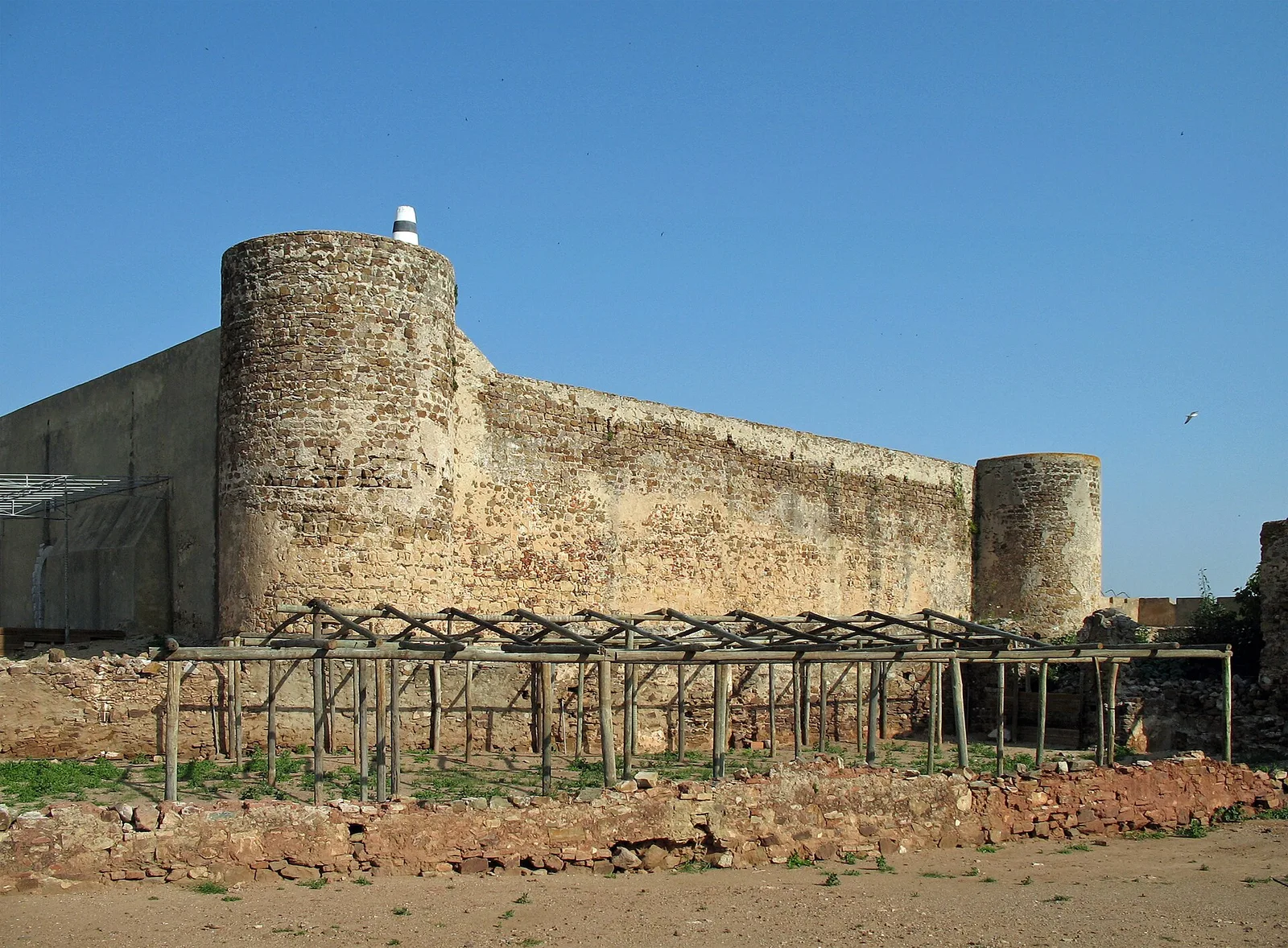
The castle is also a useful viewpoint for understanding the wider setting before heading out. You can make a satisfying light day from a heritage visit and a shorter nature stop, especially if not everyone wants a long walk. There is no need to turn each visit into a full trail circuit.
Plan access and conditions
Settle the outward journey, parking or pickup before leaving town. Published reserve planning notes identify uneven visitor access and tracks that can deteriorate when wet, so choose footwear and route length with conditions in mind. Keep a dry-weather alternative if cycling is central to your plan.
Take supplies for the entire outing and leave enough daylight for a relaxed return. In warmer weather, give exposed stretches a sensible place in the day rather than forcing a long afternoon walk. Respect temporary closures and signs on site; they protect both the habitat and the work that continues within it.