
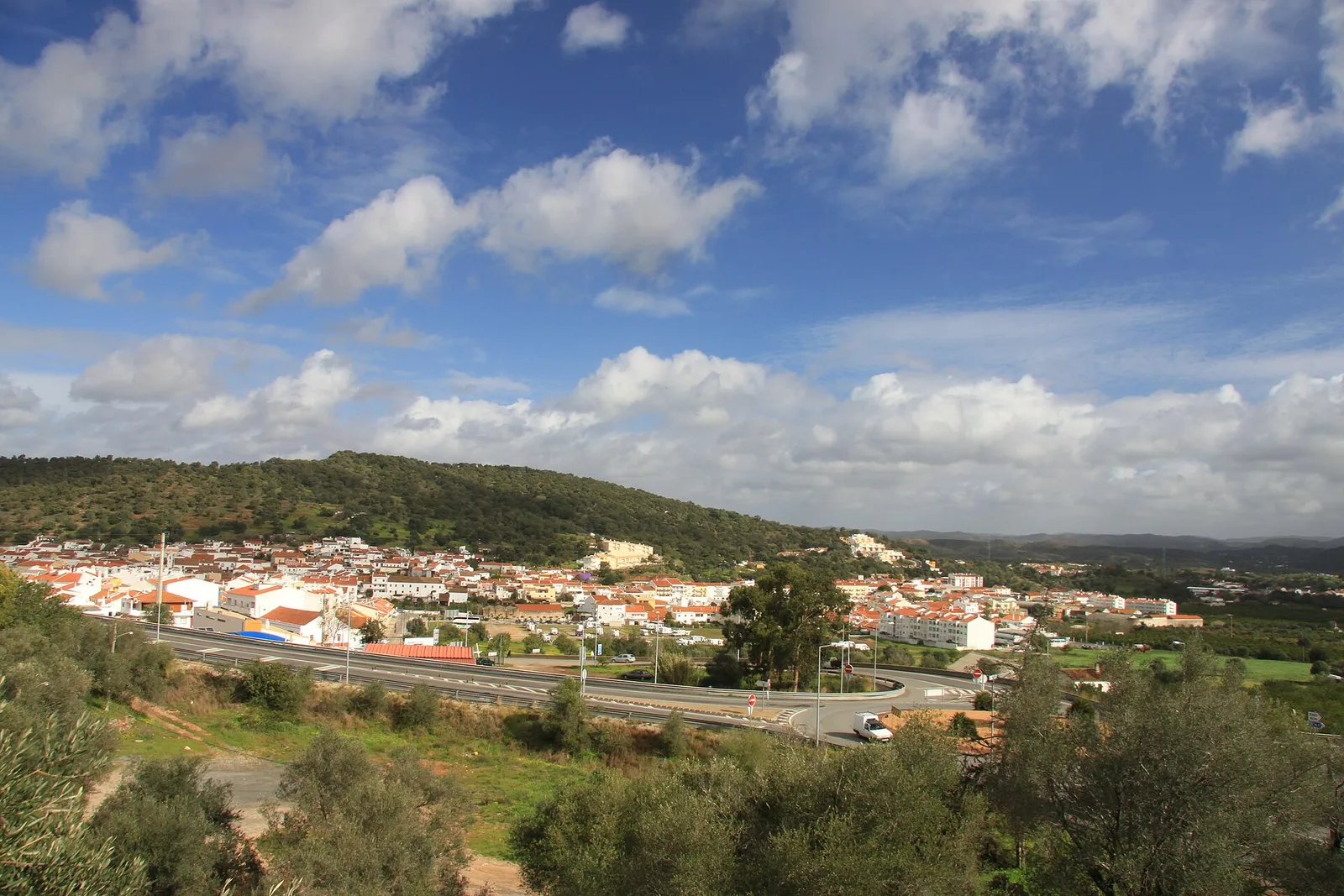
Link the central stops on foot
Begin with the church area and use the nearby streets to orient yourself. A short loop is a good way to connect heritage stops with everyday cafés and shops without repeatedly moving a car. The pace can stay flexible when the town itself is the destination.
For a longer stop, note where you arrived and where you need to leave from. That helps you keep the final walk manageable if the day includes shopping, a museum visit or a meal before an onward bus or train.
Plan the station and luggage leg
A train arrival at Messines–Alte still leaves a local journey to your accommodation. Map that route in advance and ask the property about the easiest approach with bags. The shortest line between station and address is not always the most comfortable pedestrian route.
If you are being collected, agree the exact meeting point rather than a broad instruction such as near the centre. For a rural stay, the pickup should include the final property entrance. This is particularly useful after dark or when a phone connection is unreliable.
Treat trail access as part of the walk
The Via Algarviana routes extend towards Alte and Silves. They are not short links between urban attractions, and their start and finish points belong in the day’s transport plan. Decide whether you will walk out and return or complete a one-way stage.
For a point-to-point day, settle the return before you start. Save the route and pickup pin offline. If you are unsure how far the group will want to walk, choose a shorter route that can be completed comfortably rather than relying on an improvised rural pickup.
Use buses for planned journeys
Vamus is the place to compare regional bus routes and their actual stops. Choose services around the journey you need, including the return, rather than assuming rural connections work like a frequent urban network. A bus-based visit to another village may need more time than a driving itinerary.
If you are combining a rail arrival with a bus departure, leave enough time between them. Keep tickets, stop names and booking details together on your phone. Clear names are especially helpful because Messines–Alte station and Alte village are different places.
Use the right vehicle for the countryside
A car makes rural accommodation and scattered inland stops easier to combine. Group places by direction and park for each village walk. Avoid turning a quiet day into repeated drives simply because several names appear close together on the regional map.
Cycling is a separate outing that needs a suitable route, bike and experience. Inland roads can bring gradients and traffic even where the landscape looks gentle. Plan around the actual surface and junctions rather than assuming a scenic road is automatically a comfortable cycling route.