
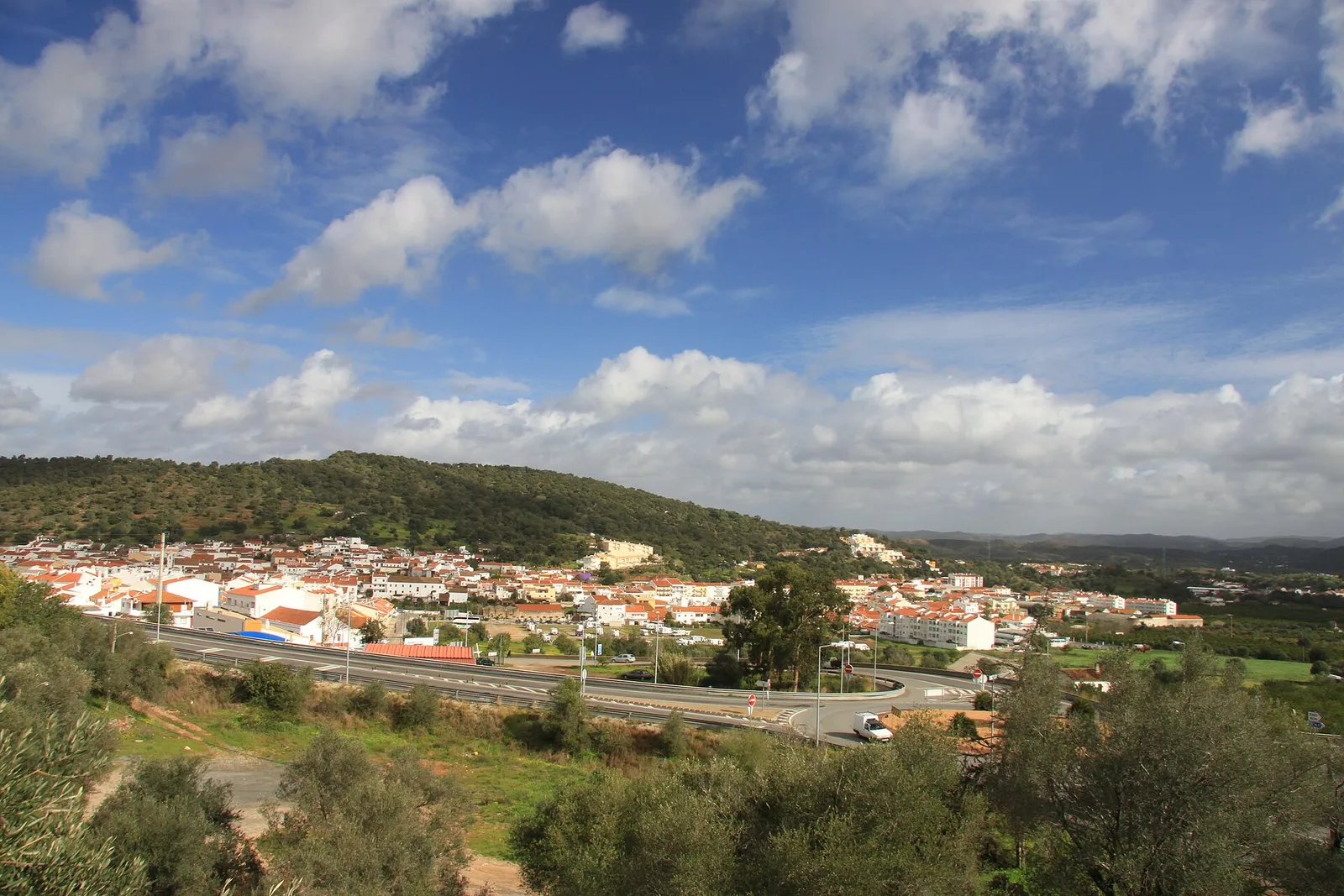
Begin at the parish church
The Igreja Matriz is a clear starting point for exploring Messines. Portugal’s heritage register lists the church as a protected building, and its position gives a convenient anchor for a walk through the older streets. Take time to look at the exterior before deciding whether to include an interior visit.
Keep the approach simple: begin around Largo da Igreja and work outwards. A short loop with a pause in the centre can be more rewarding than driving from one small stop to another.
Discover João de Deus
The poet and educator João de Deus is closely associated with Messines. His House-Museum is designed around his life and work, including his role as a pedagogue. It gives visitors a reason to look beyond the village’s appearance and explore a figure important to Portuguese cultural life.
Make the museum a deliberate part of the day rather than a stop you may reach after other places have closed. Read the interpretation in the context of the village, then return to the streets with that story in mind.
Leave room for the ordinary town
Messines is an inland settlement where people live and work. A coffee, a slow walk and a browse through the streets belong naturally alongside its heritage stops. You do not need a packed programme to make the visit worthwhile, particularly if it is a change from a coast-based holiday.
Choose lunch or a longer pause before setting off on another excursion. That creates a more balanced day than using the town only as somewhere to park before a walk.
Look towards the Arade countryside
The official Via Algarviana route from Messines towards Silves enters hills and river-valley country around the Arade. It shows why the surrounding landscape appeals to walkers, but a whole stage is a serious outing rather than a casual extra after sightseeing.
For a first visit, choose a short, clearly planned countryside section or a separate walking day. Set the start and finish before leaving town. A reservoir viewpoint or river landscape is not evidence that unrestricted swimming or shore access is available.
Combine Messines with one inland neighbour
Alte and Silves offer different complements: a springs-and-village visit at Alte or a larger heritage outing in Silves. Choose one direction and give both places enough time. The railway station name Messines–Alte should not obscure the fact that the two settlements need a road journey between them.
If you are arriving by public transport, shape the day around real connections rather than a map-based list. A focused visit to Messines can stand on its own when adding a second place would make the return awkward.